ترجمه صنایع غذایی-6 صفحه
Low calorie sweeteners
شیرین کننده های کم کالری
دانلود رایگان مقاله انگلیسی-شیرین کننده های کم کالری
نمونه متن ترجمه شده
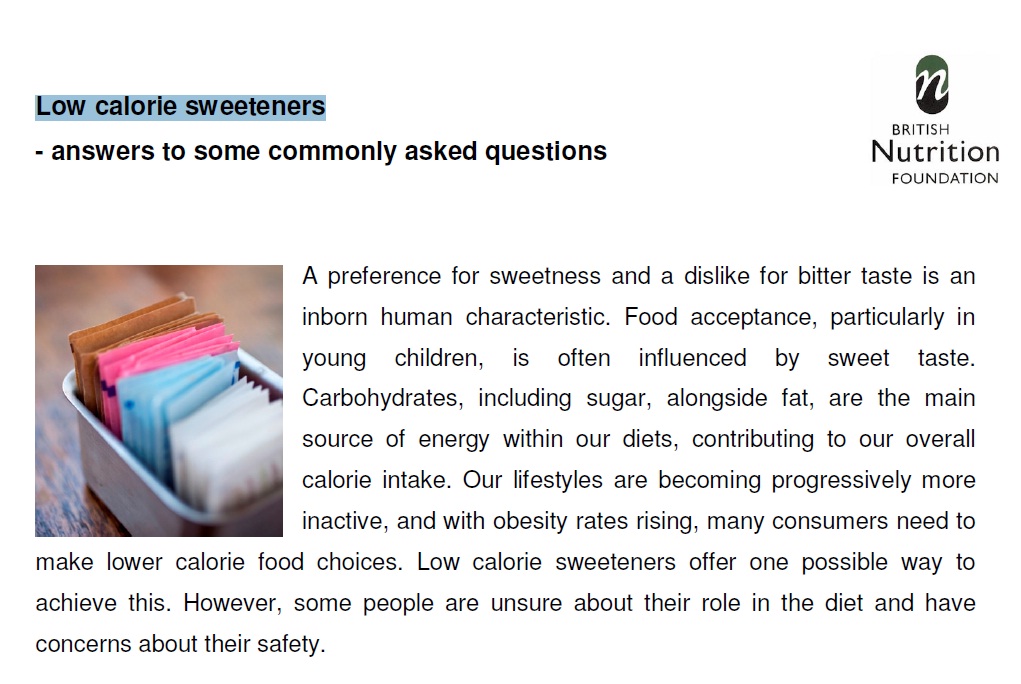
ترجیح مزه شیرین و ناخوشایند بودن مزه تلخ یک مشخصه ذاتی انسان است. پذیرش غذا، مخصوصا در کودکان کم سن و سال، اغلب تحت تاثیر مزه شیرینی است. کربوهیدرات ها از جمله شکر همراه چربی ها منبع اصلی انرژی در رژیم غذایی ما هستند که به جذب کالری کلی کمک می کنند. سبک زندگی ما به صورت افزاینده در حال غیرفعال شدن است و با افزایش نرخ چاقی، بسیاری از مصرف کننده ها باید غذاهای کم کالری تر را انتخاب کنند. شیرین کننده های کم کالری یک روش محتمل برای تحقق این امر هستند. هرچند برخی درباره نقش آن ها در رژیم غذایی اطمینان ندارند و نگرانی هایی درباره ایمنی آن ها دارند.
An important class of sugar substitutes is known as high-intensity sweeteners. These are compounds with many times the sweetness of sucrose, common table sugar. As a result, much less sweetener is required and energy contribution is often negligible. The sensation of sweetness caused by these compounds (the "sweetness profile") is sometimes notably different from sucrose, so they are often used in complex mixtures that achieve the most natural sweet sensation.
If the sucrose (or other sugar) that is replaced has contributed to the texture of the product, then a bulking agent is often also needed. This may be seen in soft drinks or sweet teas that are labeled as "diet" or "light" that contain artificial sweeteners and often have notably different mouthfeel, or in table sugar replacements that mix maltodextrins with an intense sweetener to achieve satisfactory texture sensation.
In the United States, seven intensely sweet sugar substitutes have been approved for use. They are stevia, aspartame, sucralose, neotame, acesulfame potassium (Ace-K), saccharin, and advantame. Cyclamates are used outside the U.S., but have been prohibited in the U.S. since 1969. Others, which may or may not be approved depending on jurisdiction, include allulose (psicose) and monk fruit. The U.S. Food and Drug Administration regulates artificial sweeteners as food additives.[1] Food additives must be approved by the FDA, which publishes a generally recognized as safe (GRAS) list of additives.[2] Stevia is exempt under the FDA's GRAS policy due to its being a natural substance in wide use well before 1958, and the FDA has approved it on these grounds. The conclusions about safety are based on a detailed review of a large body of information, including hundreds of toxicological and clinical studies.