ترجمه پزشکی و مهندسی پزشکی-28 صفحه
مدیریت ورزش برای افراد با بیماری های مزمن و معلولیت
Exercise Management for Persons with Chronic Diseases
http://www.humankinetics.com/products/all-products/acsms-exercise-management
دانلود رایگان متن انگلیسی -مدیریت ورزش برای افراد با بیماری
بخشی از متن ترجمه شده
بخش 3-کودکان و نوجوانان کم سن و سال با ریسک متوسط
این فصل به شما کمک می کند مهارت ها و رفتارهای لازم برای برنامه ریزی و ارائه تمرین برای گروه های با ریسک متوسط کودکان و نوجوانان کم سن و سال را به دست آورید، یک شبکه مشاوره ای تشکیل دهید، از کاربردهای پروتکل های ارزیابی توانایی فیزیکی برای گروه مشتریبالقوه استفاده کنید، نیاز ها را شناسایی کرده و مورد استفاده قرار دهید و برنامه های تمرینی برای کودکان و نوجاونان را همراه با متخصصین سلامت کمکی بررسی کنید.
سایر شرایط در کتاب کار نظری شما و کتب مرجع از سینتیک های انسانی- 'مدیریت تمرین ACMS'S برای افراد با بیماری مزمن و ناتوانی'- بررسی شده است.
بیماری اوزگود-شلاتر
این بیماری چیست؟
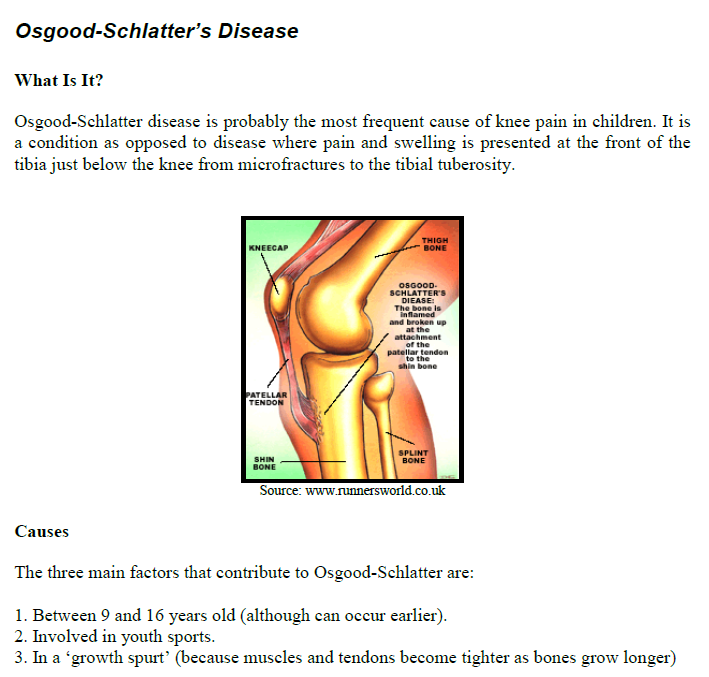
بیماری اوزگود-شلاتر شاید رایج ترین دلیل درد زانو در کودکان باشد. این شرایطی برخلاف بیماری است که در آن درد و تورم در جلوی درشت نی، درست زیر زانو از شکاف های کوچک تا برآمدگی درشت نی نشان داده می شود.
Sample
The fourth edition of ACSM's Exercise Management for Persons With Chronic Diseases and Disabilities reveals common ground between medical and exercise professionals, creating a more collaborative approach to patient care. Developed by the American College of Sports Medicine (ACSM) with contributions from a specialized team of experts, this text presents a framework for optimizing patients’ and clients’ functionality by keeping them physically active. Featuring new content on common comorbid conditions, this edition is streamlined and updated to better suit chronic populations.
This fourth edition of ACSM's Exercise Management for Persons With Chronic Diseases and Disabilities outlines why exercise is significant in the treatment and prevention of disease, advises medical and exercise professionals in considering proper exercise prescription protocols, and provides evidence-informed guidance on devising individualized exercise programs.
Major advancements and features of the fourth edition include the following:
- Current evidence on exercise management for persons with multiple conditions, providing guidance on working with these common yet complex populations
- A refocused goal of using physical activity to optimize patients’ and clients’ functionality and participation in life activities rather than only to treat and prevent disease
- Specific content to help physicians prescribe physical activity and exercise to patients for promotion of health, well-being, and longevity
- Reorganization of case studies into one streamlined chapter along with commentary from the senior editor to encourage critical thinking and recognize the unique needs of each patient
The case studies in the text are real-life scenarios that help professionals and clinicians combine scientific knowledge with experience to find appropriate solutions for each individual. Commentary on the case studies from the senior editor illustrates when improvisation may be appropriate and where further research is needed. Tables are highlighted throughout the text to help readers quickly reference important clinical information. Evidence-informed guidelines, suggested websites, and additional readings further encourage practical use of information and identify further learning opportunities. For instructors, an ancillary PowerPoint presentation package aids in classroom discussion.
The critical element that distinguishes the fourth edition of ACSM's Exercise Management for Persons With Chronic Diseases and Disabilities is its unifying mission to incorporate physical activity and exercise in both disease treatment and prevention. Its emphasis on assisting people with multiple conditions, which is ever present in health care today, moves beyond primary and secondary prevention to focus on how patients and clients can be kept physically active and functionally fit.