پروژه معماری
((فایل word و jpg می باشد.))
بعد از پرداخت به راحتی همان لحظه می توانید آن را دانلود کنید.
پروژه معماری -معرفی نمایشگاه 2010 سوئد به همراه عکس و پلان
Introducing Sweden's 2010 Expo with photos and plans
(((( تحقیق های سایت حاصل زحمت محققین سایت می باشد و اینترنتی نیست.))))
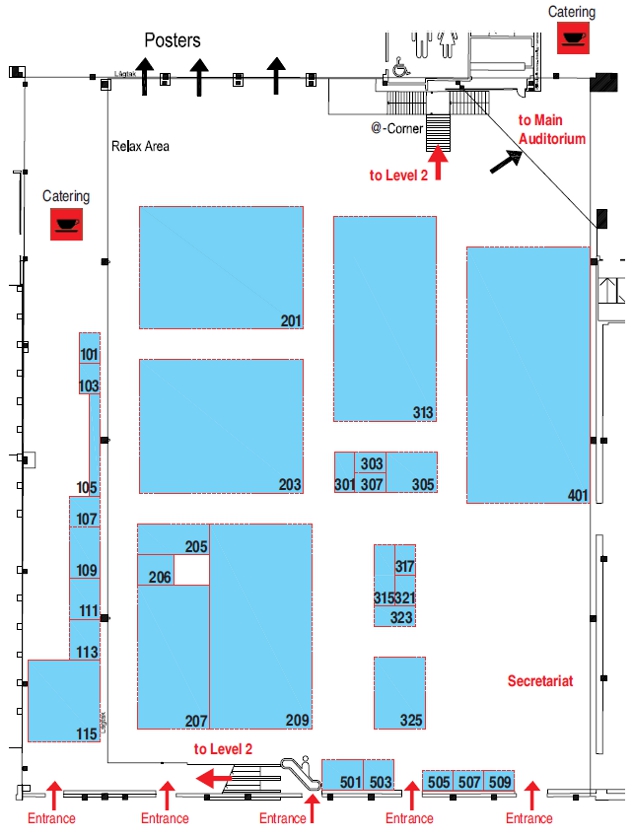
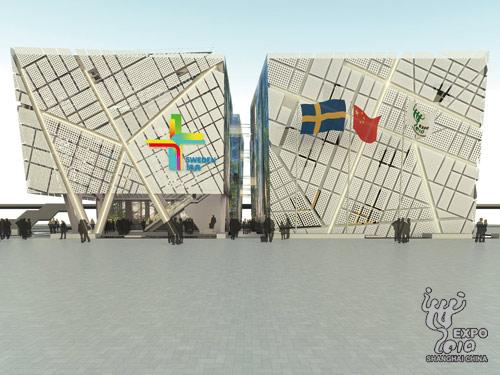
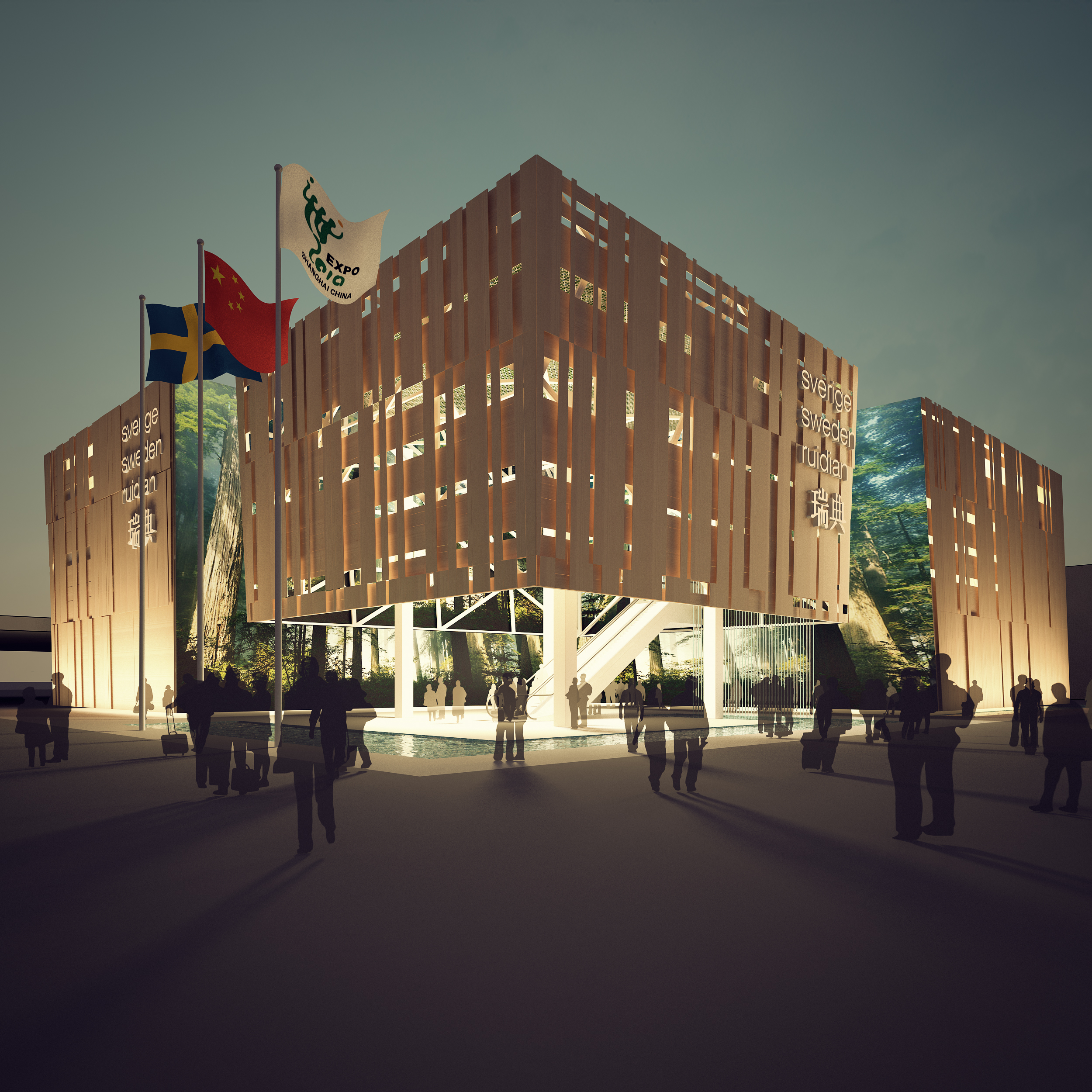
The Sweden pavilion at the 2010 Shanghai Expo was situated in Zone C of the Pudong Expo site, surrounded by other Nordic and European country pavilions. The 3000 square-meter pavilion was designed by Swedish architectural firm Sweco according to the Swedish theme of “The Spirit of Innovation”. The total budget for the Swedish pavilion was around 150 million SEK, slightly more than half of which was contributed by the Swedish business sector.[1] Commissioner General for the Swedish pavilion was Annika Rembe. Construction of the Swedish pavilion began on the April 20, 2009[2] and the pavilion was officially inaugurated on May 1, 2010, the day of the World Expo’s opening.
Themes
The overall theme of the Swedish participation in the Shanghai Expo 2010 was “The Spirit of Innovation”. The architecture of the pavilion, the exhibition, and the activities hosted by the pavilion during the Expo were all grounded in this theme. With the official keywords sustainability, innovation and communication, this theme aimed to showcase Sweden as a nation of problem solvers, specifically in the sphere of urban environment and the quality of everyday life.[3] According to General Commissioner Annika Rembe, the pavilion showed how Sweden has managed to develop so far, stressing Swedish ways of working, especially cooperation and a faith in creativity.[4] One of the most important symbols for the Swedish pavilion was the cartoon character Pippi Longstocking. According to exhibition designer Carin Lembre, in order to be innovative like Alfred Nobel, you need to be creative like Pippi Longstocking. “The Spirit of Innovation is created when, like Pippi, you dare to be brave, dare to try new ways of thinking and dare to make mistakes.”[5]
Architecture
The design of the pavilion was submitted by the Swedish architectural firm Sweco, under the supervision of chief architects Johannes Tüll and Christer Stenmark.[6] It was a three-storey construction made up of four separate cube-like structures connected by elevated walkways. The first and second floors house the public exhibition, while the entire third floor was dedicated to conference areas and related facilities. A small café and a souvenir shop were located on the first floor. One of the most distinguishing design features was the laminated-wood outdoor atrium of the entrance hall, along with the roof-top glass-floor bar situated on top of it. The outside design combines an outer steel shell representing the street network of Stockholm with large panorama photography of Swedish forests on the inward-facing outer wall surfaces. This design was grounded in the concept of a meeting between city, nature and mankind.[7]